Atmospheric Conditions and Their Impact on Dynamic Odds Adjustments in Open-Air Sporting Events
Drew Schmid · Nov 26, 2026
Atmospheric Conditions and Their Impact on Dynamic Odds Adjustments in Open-Air Sporting Events
Weather patterns exert measurable effects on live betting lines across outdoor competitions, from tennis matches to football games, and data from multiple regions shows how operators adjust odds in real time when conditions shift. Researchers tracking these changes note that wind speed, precipitation, and temperature variations alter player performance metrics, which in turn prompt bookmakers to recalibrate spreads and totals during events.
Wind and Precipitation Effects on Performance Metrics
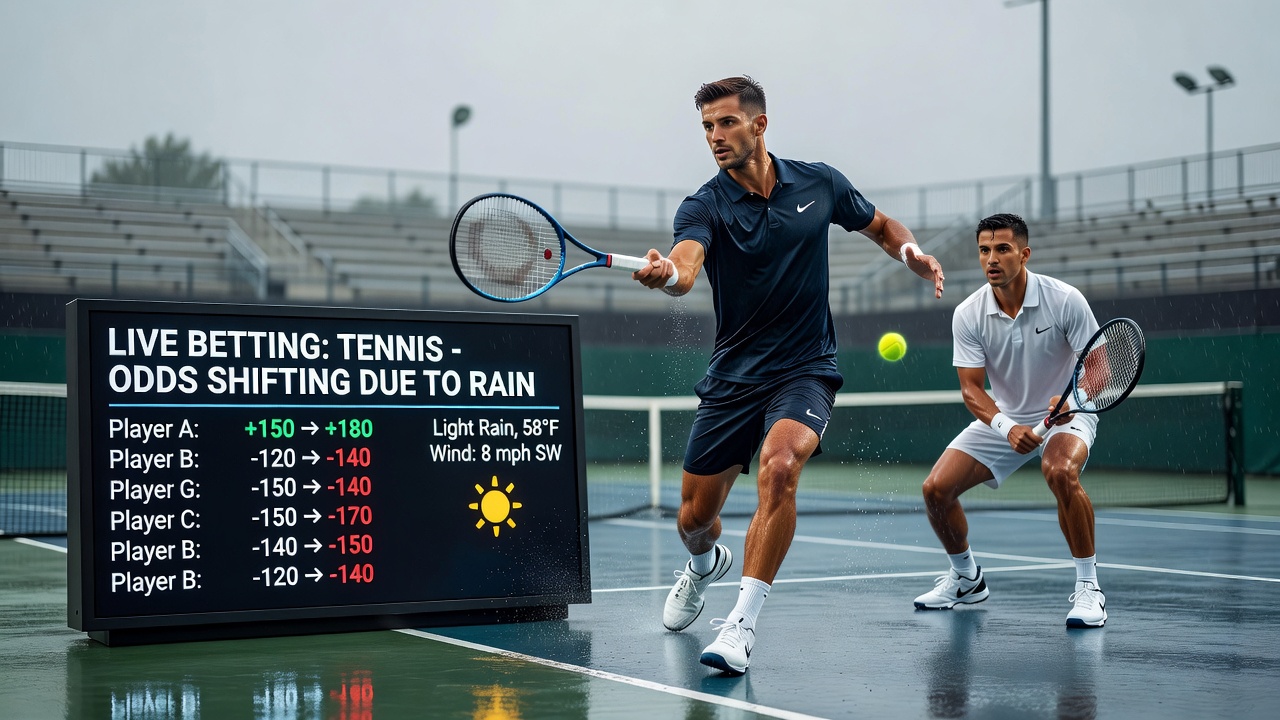
Studies from sports analytics groups indicate that sustained winds above 15 miles per hour reduce passing accuracy in American football by measurable percentages, leading operators to tighten over/under lines on total points once gusts register during play. Observers note similar patterns in tennis, where crosswinds exceeding 10 miles per hour correlate with higher unforced error rates on outdoor courts, prompting line movements in live markets for game totals and set winners. Precipitation adds another layer because rain slows court surfaces in tennis and softens turf in soccer, which data from European leagues shows often lowers scoring averages and triggers downward adjustments on goal lines within minutes of weather reports updating.
Temperature Variations and Their Role in Endurance Events
High temperatures above 85 degrees Fahrenheit increase fatigue rates in endurance-based outdoor sports, and records from major marathons reveal that dehydration risks prompt bettors and operators alike to favor under props on finishing times. In baseball, heat combined with humidity alters pitcher stamina, with historical game logs demonstrating fewer strikeouts in later innings under those conditions, which influences in-game adjustments to player prop lines. November 2026 brought several high-profile outdoor events where sudden temperature drops during evening sessions led to revised totals, as colder air affected ball flight in golf and reduced offensive output in late-season football contests.
Real-Time Data Integration by Betting Operators
Operators integrate meteorological feeds directly into their systems, allowing rapid updates when radar detects approaching storms or wind gusts intensify. Figures from industry reports show that live betting volume spikes during weather-related pauses, as participants react to announced delays or surface changes. One study of outdoor competitions found that humidity levels above 70 percent shifted expected rebound rates in basketball games played in open-air venues, causing spread movements within the first quarter once sensors confirmed the conditions.

Regional Regulatory Perspectives on Weather Data Usage
According to information released by the Australian Gambling Regulatory Authority, operators must document how external factors such as weather influence line movements to maintain transparency in live markets. Canadian provincial regulators have issued similar guidance, emphasizing that verified weather data helps prevent disputes when lines shift during outdoor events. Academic papers from university research centers further confirm that integrating National Weather Service forecasts reduces discrepancies between pre-game and in-play odds by providing consistent benchmarks for adjustments.
Case Examples from Recent Outdoor Competitions
Take one instance where a sudden downpour during a European soccer match in late 2025 prompted immediate line shifts on total goals, as analysts observed the ball traveling slower on the wet pitch and fewer through-balls succeeding. In another case, experts monitoring a North American tennis tournament noted that a temperature drop of 12 degrees between afternoon and evening sessions altered serve speeds, which operators reflected by moving player performance props within two games. Those who've analyzed betting data across multiple seasons find that wind direction changes often produce the largest single-play adjustments because they affect trajectory in both golf and baseball simultaneously.
Conclusion
Weather data continues to serve as a core input for live betting adjustments in outdoor competitions, with operators relying on verified meteorological sources to update lines as conditions evolve. Records from 2026 demonstrate consistent patterns where wind, rain, and temperature shifts produce measurable changes in performance statistics that directly influence in-game wagering markets. As technology improves the speed of weather integration, the precision of these adjustments is expected to increase across regions and sports.